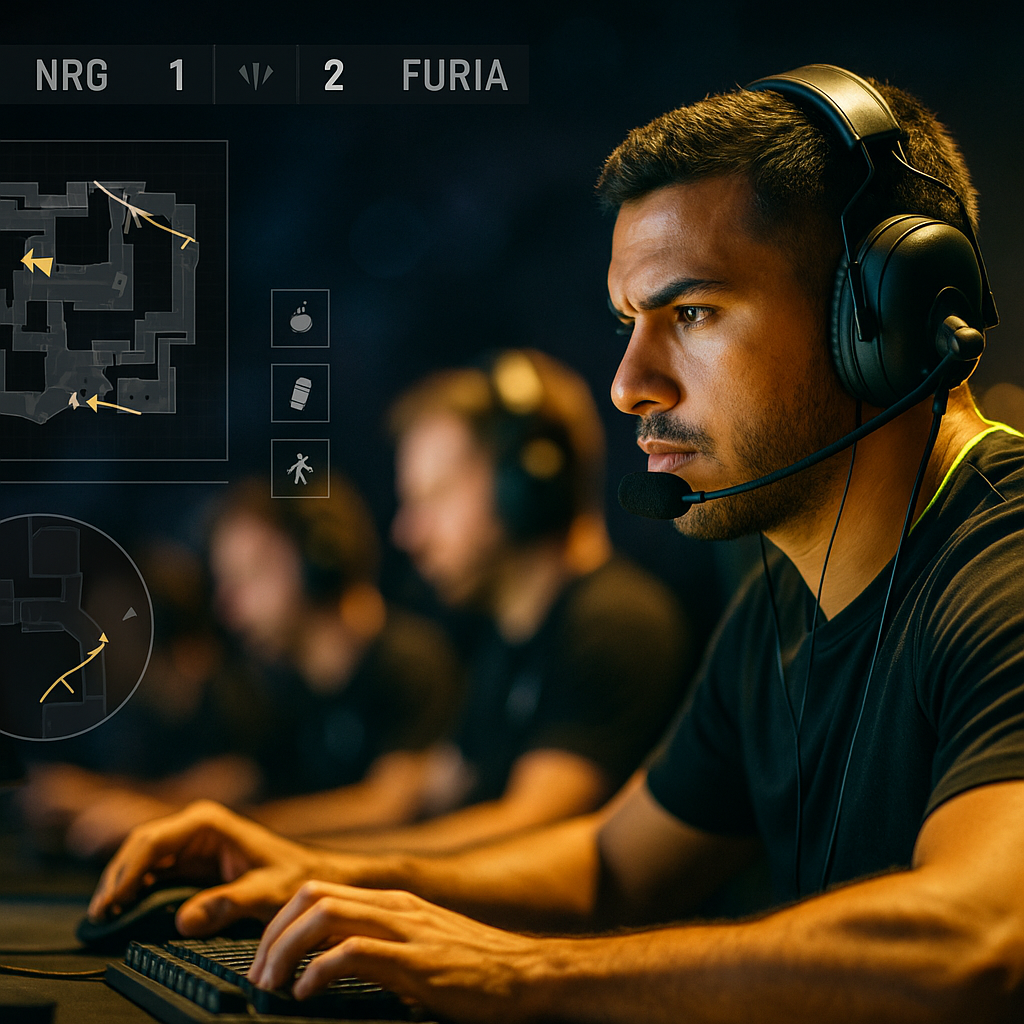
NRG 1×2 FURIA: KSCERATO apareceu nos rounds que mais importavam
When a single name is highlighted as having shown up in the rounds that mattered most, it invites a closer look at the underlying elements of competitive play. This article offers an evergreen analysis of what it means for a player to influence decisive rounds in CS2, focusing on tactical habits, mental approach, and team dynamics rather than match-specific statistics.
The aim is to provide readers with practical insights into how key contributions are made in high-pressure situations and what viewers and aspiring players can learn from those moments. The discussion remains neutral and general, avoiding unverifiable claims while explaining common patterns that lead to clutch impact.
What it means to “appear” in crucial rounds
Appearing in crucial rounds usually refers to making plays that directly change the outcome of a round at critical moments. These plays can take many forms: winning a duel, securing a bomb plant or defuse, or enabling teammates through utility and information. The common thread is influence — doing something that shifts the balance in a round that determines momentum or the match trajectory.
From a viewer’s perspective, those moments stand out because they compress pressure, skill and decision-making into a few seconds. For the player, they are often the result of preparation, map knowledge and an ability to read both the opponent and teammates. Understanding that mix helps explain why some players repeatedly become central in late or pivotal rounds.
Tactical elements that enable clutch performances
Positioning is a core tactical element. Players who appear in important rounds often occupy or contest angles that are high-value at decisive moments. This can mean holding deep rotations, controlling mid areas that split the map, or maintaining retake lanes. Good positioning multiplies the effect of a single kill by delaying or disrupting enemy plans.
Utility usage and timing are equally important. Smokes, flashes and molotovs can isolate duels or create windows for entries and retakes. Executing utility with the right timing forces opponents into tricky decisions and can create opportunities for individual players to make impactful plays. In many cases, a well-timed flash or smoke precedes a highlight-worthy moment.
Decision-making under pressure is another pillar. Splitting second choices — whether to commit, rotate or save — determine whether a player will be in a position to affect the round. Players who appear in clutch situations tend to combine calculated risks with an understanding of risk-reward in the economy of a game. That balance often separates routine rounds from pivotal ones.
Team dynamics and preparation
No standout moment exists in a vacuum. Team strategy and communication create scenarios where an individual can thrive. Teammates who provide reliable calls, trade possibilities and utility setups amplify the chances that a single play will matter. Teams that rehearse rotations and late-round tactics give players clear frameworks to operate within, reducing chaotic decision-making.
Adaptation during a match is also crucial. Opponent tendencies, map flow and previous rounds inform mid-game adjustments. When a player appears in crucial rounds, it can reflect both personal adaptability and the team’s ability to pivot strategies. Preparation in practice — including scenario-based scrims and role clarity — increases the likelihood that a player will be ready when a high-stakes round arrives.
Lessons for viewers and aspiring players
For viewers, recognizing what leads to decisive plays enhances appreciation of competitive CS2. Instead of focusing solely on highlight clips, observing setups, utility patterns and rotations provides deeper context. This broader view reveals how many small decisions contribute to the single moments that stand out.
Aspiring players can draw practical lessons: prioritize map knowledge, practice utility timings, and cultivate calm decision-making. Working on communication and trading also increases the probability of being in a position to influence rounds. Emphasizing these fundamentals builds consistent performance rather than relying on sporadic individual heroics.
Conclusion
When a player is said to have appeared in the rounds that mattered, the phenomenon usually reflects a mix of positioning, timing, decision-making and team context. These components combine to create moments that can swing momentum in competitive CS2. By studying the tactical and mental aspects behind those appearances, players and fans can gain a clearer understanding of what truly shapes decisive rounds.
The value of such analysis lies in its applicability across matches and teams: the same principles apply whether examining professional series or learning in pickup games. Focusing on fundamentals offers the most reliable path to repeating influential performances in key rounds.
