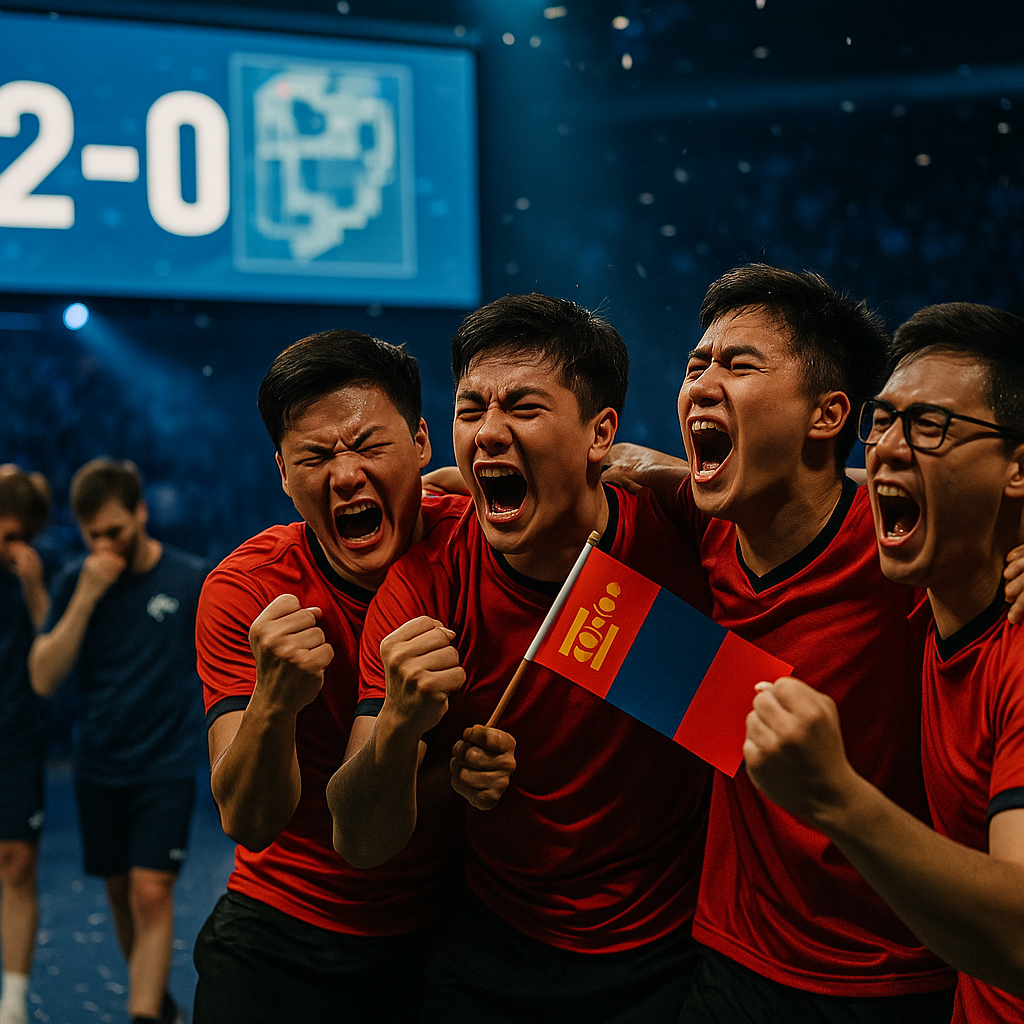
The MongolZ 2×0 Spirit: o time mongol eliminou um dos favoritos do torneio
Upsets are a core part of competitive esports, and when an underdog advances over a favorite it prompts questions about how the result happened and what it means for the rest of the event. This article explores general factors that lead to such outcomes in Counter-Strike 2, using the framework of a MongolZ victory over a higher-ranked opponent without asserting unverifiable specifics beyond the match result itself.
Introduction: framing an upset in CS2
Matches between teams with different expectations often reveal more than skill gaps. Preparation, map choices, momentum, and psychological resilience all play roles that can tilt a series. An elimination of a tournament favorite by a less-favored team serves as a reminder that competitive matches are multidimensional and not decided by reputation alone.
Examining the typical dynamics behind such a result can help coaches, players, analysts, and fans understand the mechanics of competitive play and adapt their approaches to future matches.
Tactical and strategic factors
Tactically, an underdog can gain advantage through targeted preparation. This includes studying tendencies, devising specific executes, and exploiting opponents’ predictable rotations. When a team successfully implements a prepared plan, it can create advantageous situations repeatedly and force the favorite to respond under pressure.
Map vetoes and selection are another strategic element. Some teams perform strongly on particular maps or styles of play, and careful map choices can neutralize a favorite’s strengths. Flexibility in roles and the ability to adapt mid-match also contribute; teams that adjust quickly to opponents’ adaptations tend to seize key rounds.
Finally, utility use, economy management, and small tactical details such as crossfire setups and information gathering often decide close rounds. Consistent execution of these fundamentals compounds over multiple rounds and maps, producing a cumulative edge regardless of pre-match expectations.
Preparation, mentality, and match flow
Mental factors can amplify tactical advantages. Confidence, clarity of roles, and a calm approach to pressure are frequently decisive in high-stakes matches. When an underdog enters a match with focused preparation and clear game plans, internal momentum can build after a few successful rounds and lead to a broader collapse of the favorite’s cohesion.
Conversely, favorites can feel additional pressure from expectations, which may lead to tentative decision-making or overreliance on individual plays. Managing that pressure is a skill that separates stable teams from inconsistent ones. Practice routines, leadership within the roster, and in-game communication patterns all influence how a team navigates tense situations.
Match flow matters as well. Winning key pistol rounds, converting antieco situations, and stringing together consecutive rounds can create psychological momentum. Momentum often forces opponents into riskier choices, opening opportunities for disciplined teams to capitalize.
Broader implications for the tournament and for teams
An upset reshapes the competitive landscape of a tournament. It affects bracket dynamics, future matchups, and how teams prepare for remaining opponents. For the victorious underdog, the result can validate preparatory methods and boost confidence. For the eliminated favorite, it offers lessons on adaptability and the need to refine approaches under pressure.
From an organizational perspective, such results emphasize the importance of scouting, coaching resources, and mental preparation. Teams that invest in holistic development—covering strategy, in-game leadership, and psychology—are often better positioned to handle unexpected challenges in tournament environments.
For observers and analysts, upsets encourage deeper evaluation beyond surface-level metrics. Understanding why a match turned out a certain way requires looking at interplay between strategy, execution, and human factors rather than relying solely on past reputation.
Conclusion: lessons and takeaways
When a team like MongolZ eliminates a favored opponent, the result highlights multiple elements of competitive CS2: preparation, adaptability, mental resilience, and attention to fundamentals. These elements are repeatable and teachable, offering practical lessons for teams at all levels.
Ultimately, competitive balance and the possibility of upsets are what keep esports engaging. They reward careful preparation and clear in-game leadership, and they remind the scene that outcomes are earned on the server through coordinated effort and smart decision-making.
